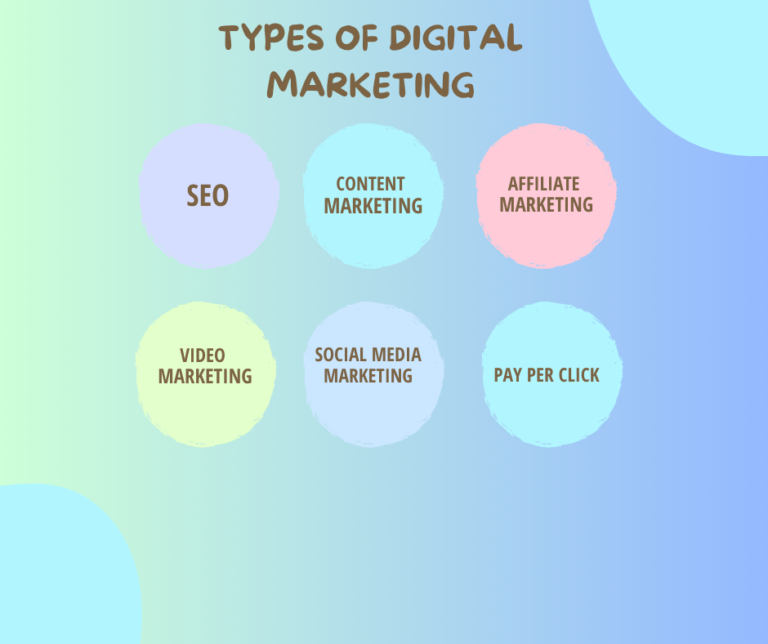
Seo stands for search engine optimization . It is the practice of improving your websites content . Structure, and visibility to rank higher on search engines like google . SEO is not very difficult , but many students feel confused in the beginning . because of this confusion , some people do not try to learn it . However , those who stay cosistent and practice regularly find it very beneficial in the future , SEO helps them a lot in growing their website and career . It gives long-term benefits if someone learns it properly.
Technical SEO involves the behind-the-scenes actions you take to help search engines crawl ,index , and understand your websites better . Unlike on-page SEO , which focuses on content , and off-page SEO, which is about building authority , Technical SEO ensure that your site's structure and functionally are optimized for search engines.This includes thinks like improving page speed , making your site mobile-friendly, fixing broken links , and ensuring search engines can easily navigate your site.
WHAT IS CRAWLING?
Crawling is a process that allows search engines to discover new content on the internet .to do this, they use crawling bots they follow links from the already known webpages to the new ones .Since thousands of webpages are produced or updated everyday, the process of crawling is a never - ending mechanism repeated over and over again . Martin splitt , google webmaster trend analyst ,describes the crawling process quite simply.
WHAT IS A SEARCH ENGINE CRAWLER?
Search engine crawler (also called web spider or crawl bot ) is a piece of program that crawls webpages, scans their content and collects the data for indexing purposes . Whenever a crawl visits a new webpage via a hyperlink , it looks at the content it contains - scanning all the text , visuals elements , links , HTML ,CSS or java script files etc.- and then passes (or fetches ) this information for processing and eventual indexing .
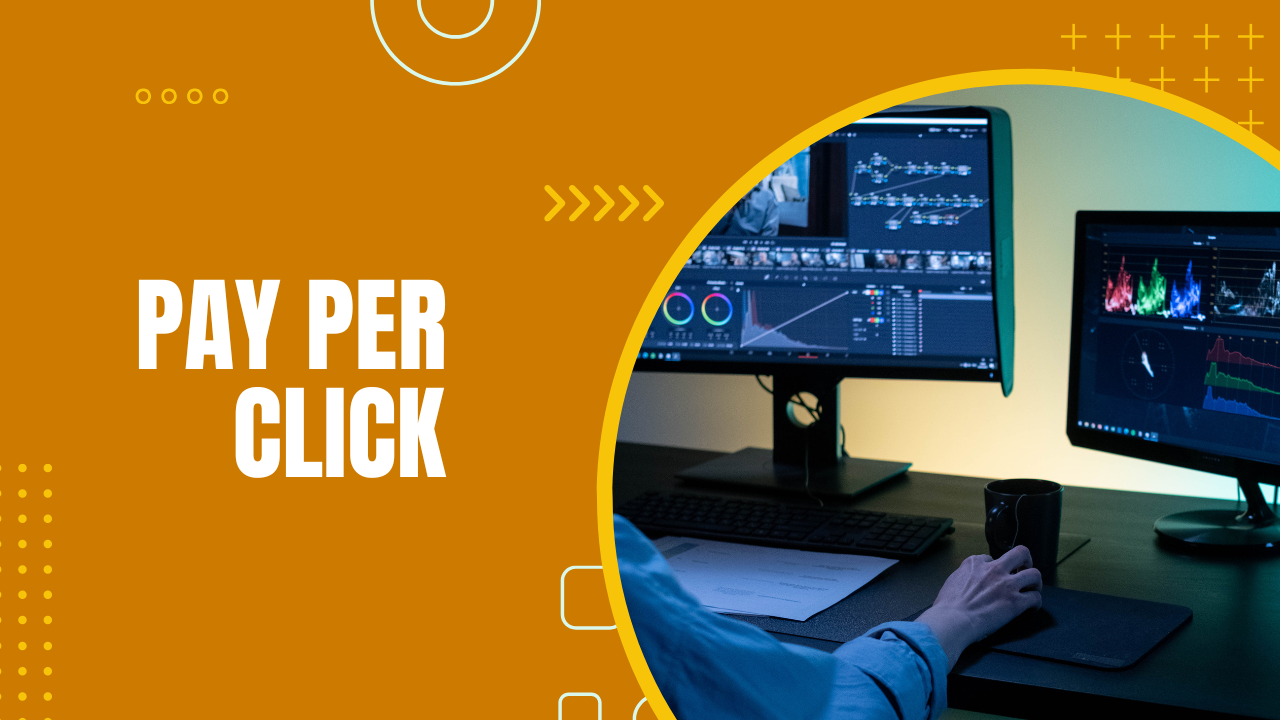
Pay-Per-Click (PPC) is a digital marketing method where advertisers pay only when someone clicks on their ad. It is commonly used on platforms like Google, Facebook, and Instagram to quickly bring visitors to a website. In PPC, businesses choose specific keywords or target audiences, and their ads appear when users search for those keywords or match the selected audience. The advertiser is charged a small amount for each click, which is called cost-per-click (CPC). PPC is useful because it provides fast results, helps reach the right audience, and allows control over budget and performance.